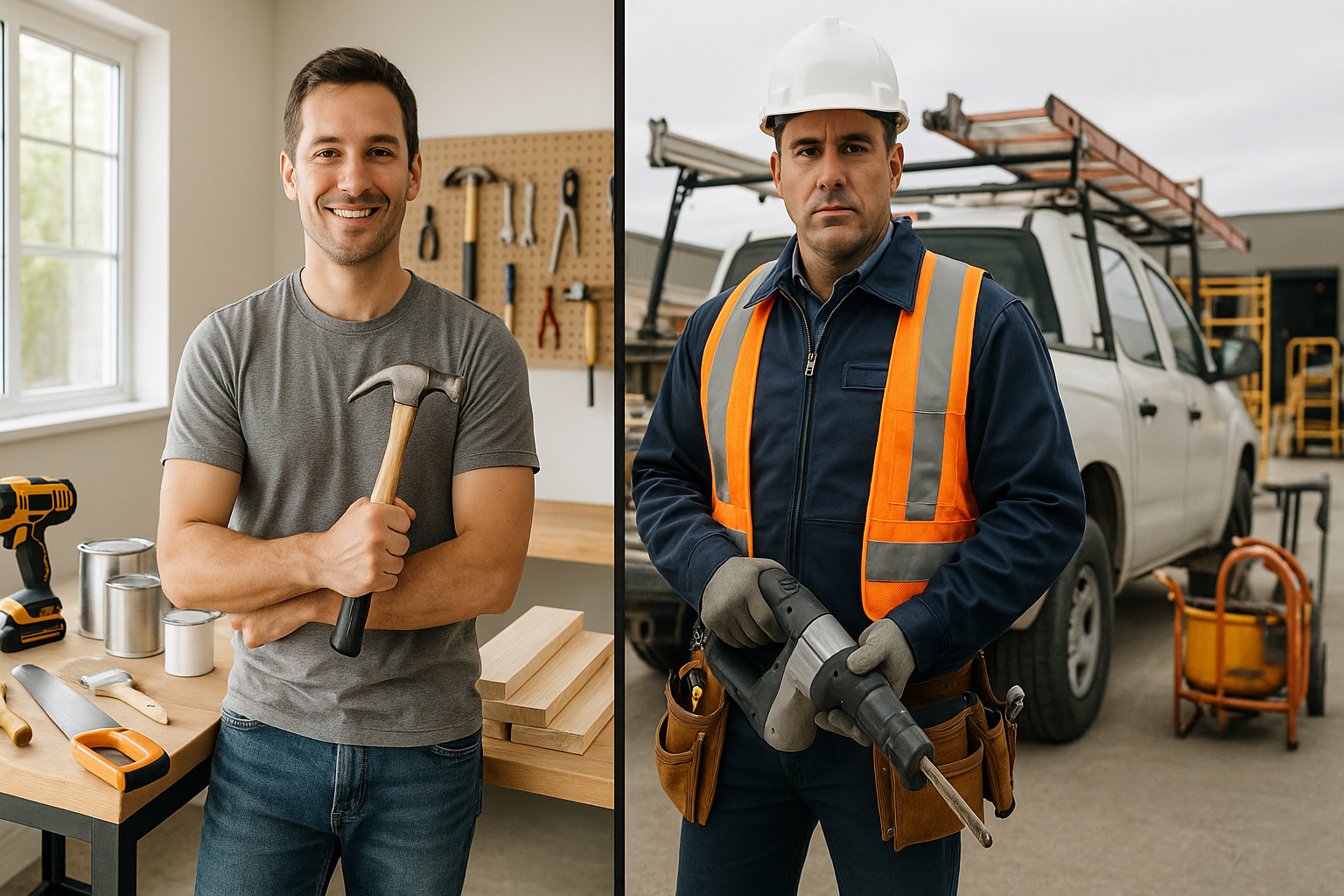
DIY home repairs can be rewarding and cost-effective—when done right. But tackling the wrong project can lead to costly mistakes, safety hazards, and even legal issues. Here's your complete guide to knowing when to grab your toolbox and when to call in the professionals.
The Three Key Questions
Before starting any home repair project, ask yourself:
- Is it safe? Does it involve electricity, gas, structural elements, or heights?
- Is it legal? Does it require permits or certified professionals?
- Do I have the skills? Honestly assess your experience and capabilities
Safe for DIY
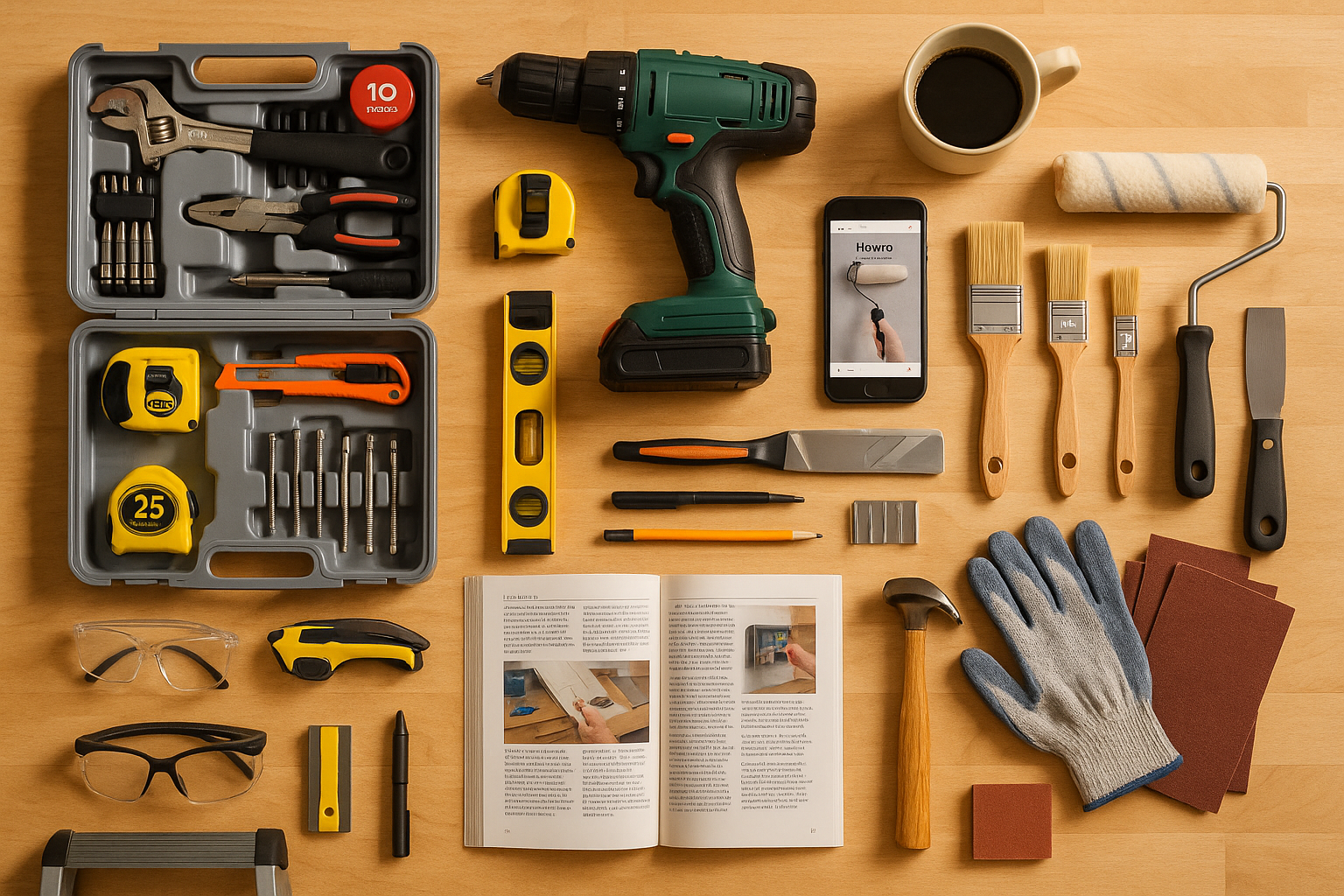
These projects are generally safe for homeowners with basic skills and tools:
Painting
Difficulty: Easy to Moderate
Interior painting is one of the most popular DIY projects. With proper prep work, quality materials, and patience, most homeowners can achieve professional-looking results.
When to hire a pro: High ceilings, exterior painting, textured finishes, or if you lack time for proper preparation.
Simple Carpentry
Difficulty: Easy to Moderate
- Installing shelving
- Hanging pictures and mirrors
- Basic furniture assembly
- Installing curtain rods
When to hire a pro: Built-in units, custom cabinetry, or structural modifications.
Basic Plumbing
Difficulty: Easy
- Replacing tap washers
- Unclogging drains (with a plunger or snake)
- Replacing shower heads
- Installing toilet seats
When to hire a pro: Anything involving water supply lines, drainage systems, or water heaters.
Cosmetic Updates
Difficulty: Easy
- Changing door handles
- Replacing light switch covers
- Installing peel-and-stick backsplash
- Updating cabinet hardware
- Caulking and weatherstripping
Landscaping and Gardening
Difficulty: Easy to Moderate
- Planting flowers and shrubs
- Mulching
- Basic lawn care
- Small decorative projects
When to hire a pro: Tree removal, major grading work, or irrigation systems.
Call a Professional
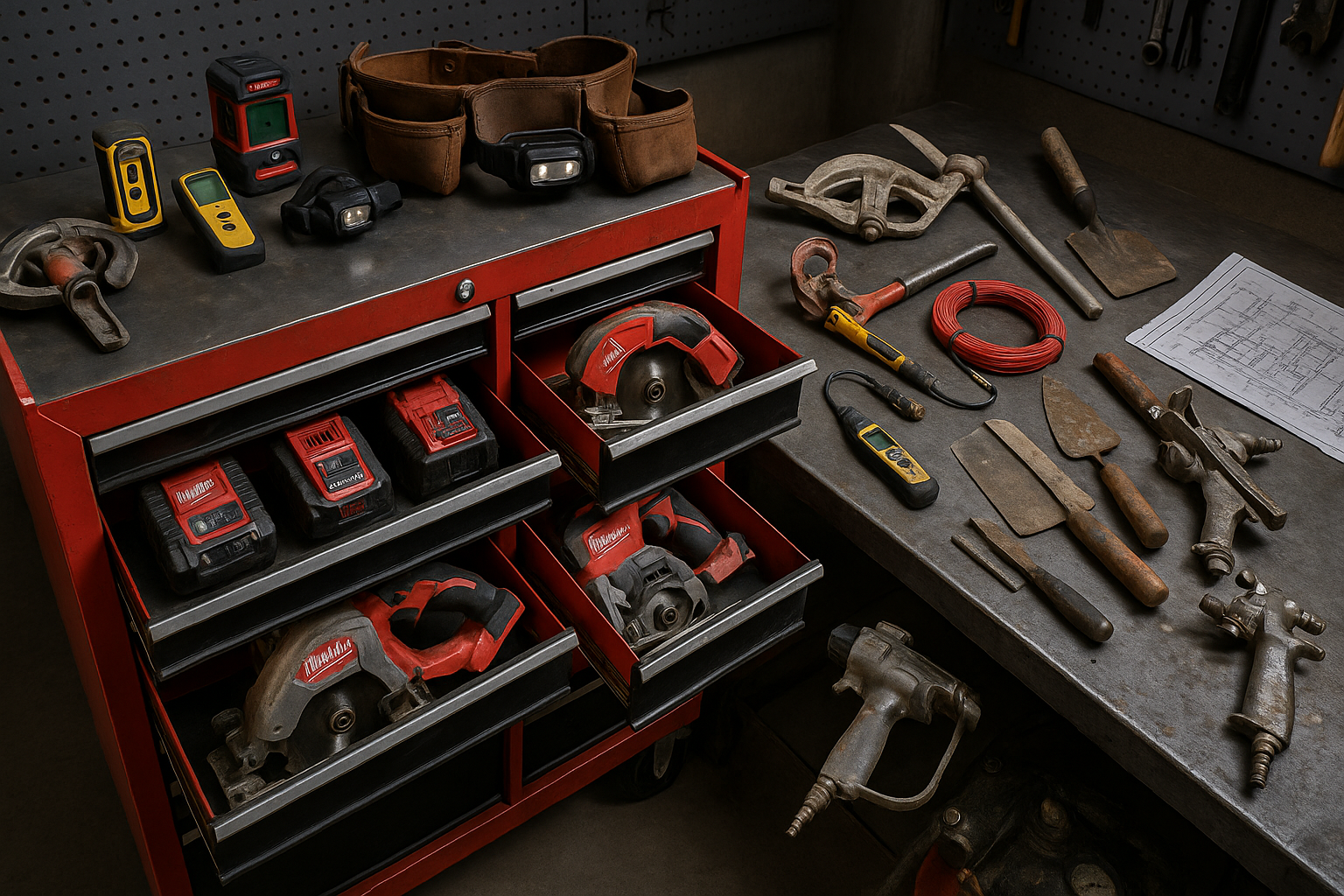
These tasks require specialized knowledge, certifications, or equipment:
Electrical Work
Why pros are essential:
- Electrical work requires Building Regulations compliance and often certification
- Mistakes can cause fires, shocks, or death
- Incorrect work may void insurance and make your home unsalable
- Professional electricians carry liability insurance
Always hire for:
- Anything involving the consumer unit (fuse box)
- Adding new circuits or outlets
- Rewiring
- Installing ceiling fans or chandeliers
- Any work in bathrooms (special regulations apply)
- Outdoor electrical installations
Gas Work
Why pros are essential:
- BY LAW, all gas work must be done by Gas Safe registered engineers
- Gas leaks can cause explosions and carbon monoxide poisoning
- DIY gas work is illegal and extremely dangerous
Always hire for:
- Installing or moving gas appliances
- Gas pipe work
- Boiler repairs or installations
- Gas cooker installations
Structural Changes
Why pros are essential:
- Structural work often requires building permits and inspections
- Mistakes can compromise your home's integrity
- Professional engineers ensure safety and code compliance
Always hire for:
- Removing or moving walls
- Adding or modifying load-bearing elements
- Foundation work
- Major renovations
- Loft conversions
- Building extensions
Roofing
Why pros are essential:
- Fall hazards—roofing is one of the most dangerous home improvement tasks
- Improper installation leads to leaks and structural damage
- Requires specialized tools and materials knowledge
- Professional roofers are insured for liability
DIY exception: You can safely clean gutters with proper ladder safety, but repairs and replacements should be left to professionals.
Major Plumbing
Why pros are essential:
- Plumbing mistakes can cause extensive water damage
- Some work requires Building Regulations compliance
- Professional plumbers have the right tools and parts
Always hire for:
- Moving or installing pipes
- Water heater installation
- Sewer line work
- Bathroom installations
- Installing dishwashers and washing machines (water connection)
HVAC Work
Why pros are essential:
- Systems are complex and expensive
- Incorrect installation wastes energy and money
- Gas systems require Gas Safe registration
- Warranty may require professional installation
The Middle Ground: Supervised DIY
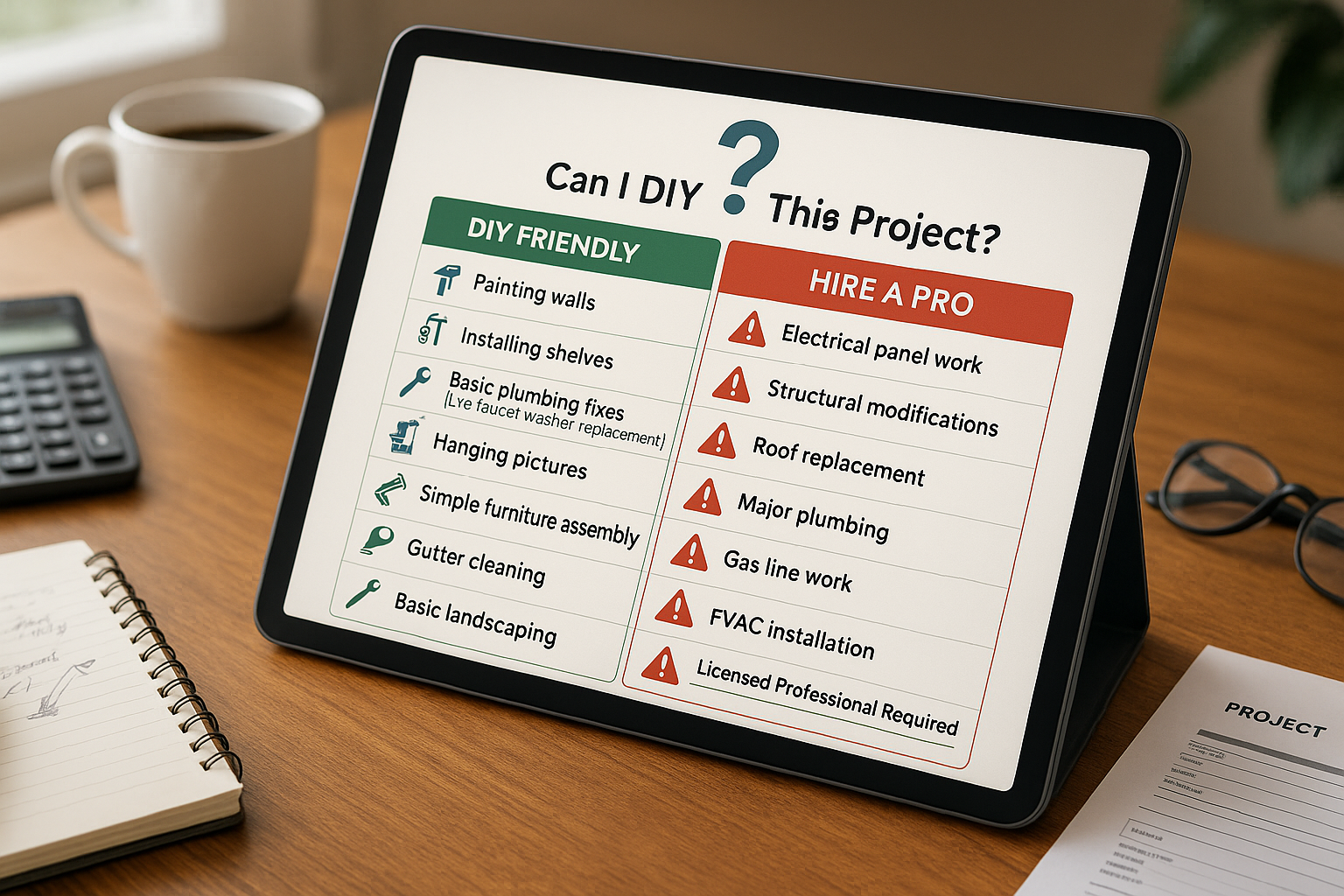
Some projects fall into a gray area. Consider hiring a professional to:
- Consult and provide guidance
- Inspect your work
- Handle the technical or dangerous portions
- Provide certification where required
Hidden Costs of DIY Gone Wrong
Failed DIY projects can cost more than hiring a professional from the start:
- Fixing mistakes: Professionals charge more to undo improper work
- Tools and materials: Buying specialized tools you'll rarely use
- Time: Projects taking weeks instead of hours
- Injury: Medical costs from accidents
- Property damage: Water damage, electrical fires, structural issues
- Legal issues: Fines for unpermitted work or failing inspections
- Reduced home value: Poor workmanship can decrease property value
Questions to Ask Before DIYing
- Do I have the necessary skills and experience?
- Do I have the right tools, or can I rent them affordably?
- Do I have enough time to complete the project properly?
- What could go wrong, and can I handle the consequences?
- Is there a risk of injury?
- Will I need permits or inspections?
- Does my insurance cover DIY work?
- Am I comfortable with the level of uncertainty?
When Professional Help Saves Money
Sometimes hiring a pro is the economical choice:
- They complete work faster
- They have the right tools already
- They get trade discounts on materials
- Their work is guaranteed
- They're insured against accidents and damage
- Proper installation prevents future problems