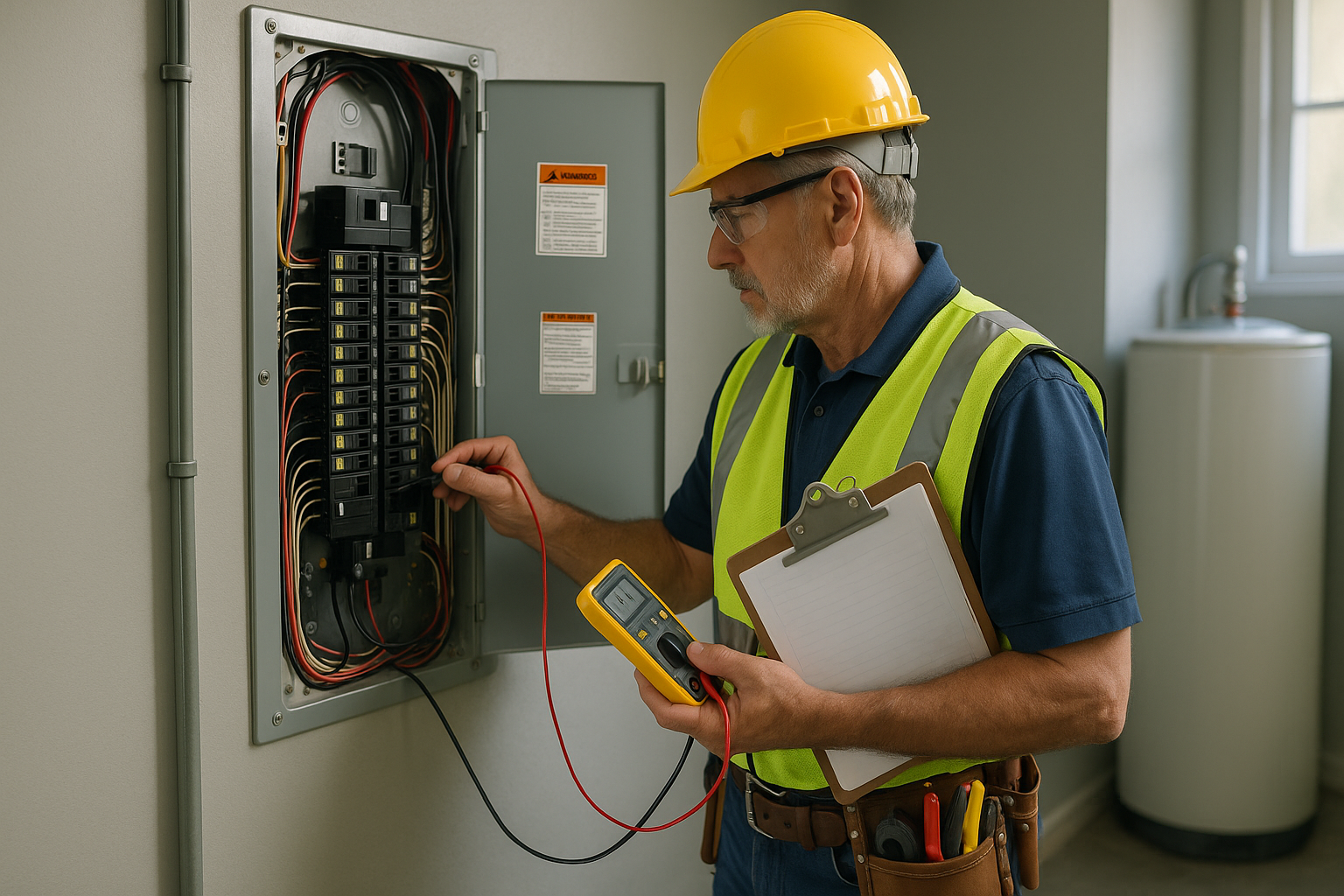
Your home's electrical system is the backbone of modern living, powering everything from lights to computers. But as our electrical needs grow, older systems can struggle to keep up. Here are five critical warning signs that your electrical system may need an upgrade.
Safety First: Electrical issues can pose serious fire and shock hazards. If you notice any of these signs, contact a qualified electrician immediately.
1. Frequently Tripping Circuit Breakers
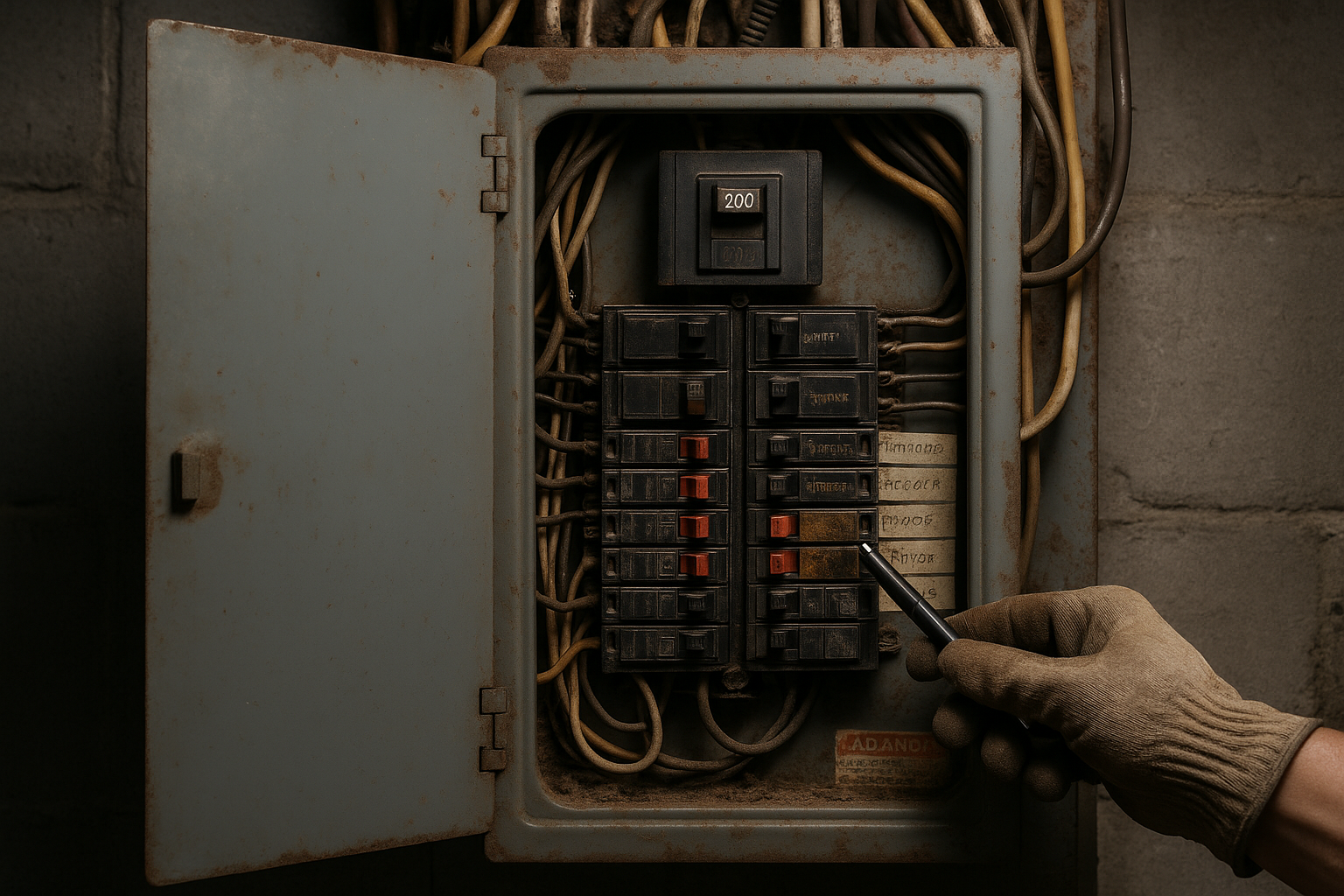
Circuit breakers are designed to trip when a circuit becomes overloaded, protecting your home from electrical fires. However, if you find yourself constantly resetting breakers, it's a clear sign your electrical system is overwhelmed.
What It Means
Modern appliances and devices draw more power than ever. If your home was built more than 30 years ago, the electrical panel may only provide 60-100 amps of service. Today's homes typically need 200 amps or more to handle:
- Kitchen appliances (refrigerator, oven, microwave, dishwasher)
- HVAC systems
- Multiple computers and entertainment systems
- Electric vehicle chargers
- Home office equipment
The Solution
An electrician can assess your power needs and upgrade your service panel to provide adequate capacity. This prevents overload and reduces fire risk.
2. Flickering or Dimming Lights
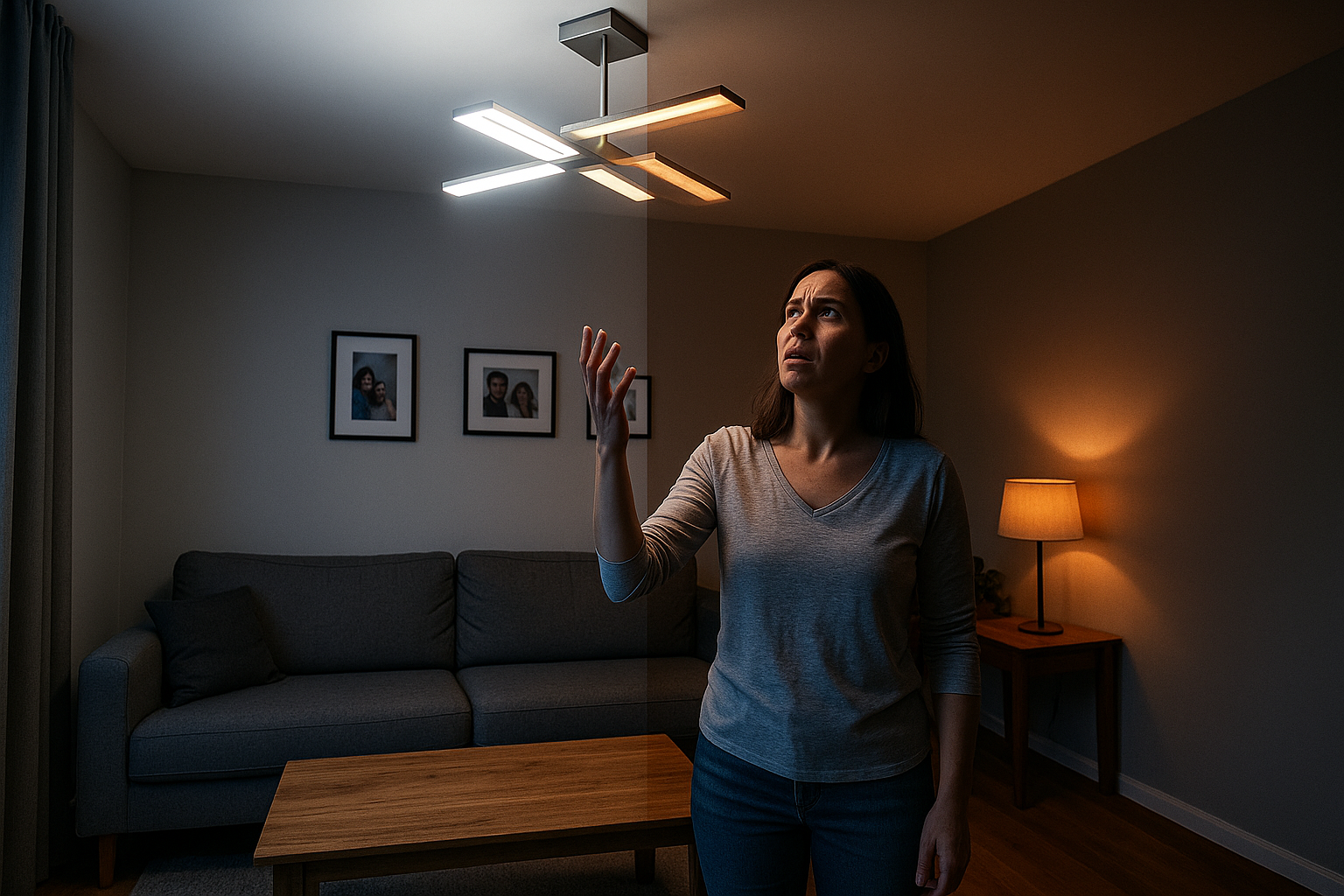
Occasional flickering during storms is normal, but consistent dimming or flickering—especially when appliances start—indicates a problem.
Common Causes
- Overloaded circuits: Too many devices on one circuit
- Loose wiring: Potentially dangerous and needs immediate attention
- Faulty fixtures: May need replacement
- Main service issue: Insufficient power coming into the home
Why It Matters
Beyond annoyance, flickering lights can indicate loose connections that generate heat and pose a fire hazard. They can also damage sensitive electronics and LED bulbs.
3. Burning Smell or Discolored Outlets
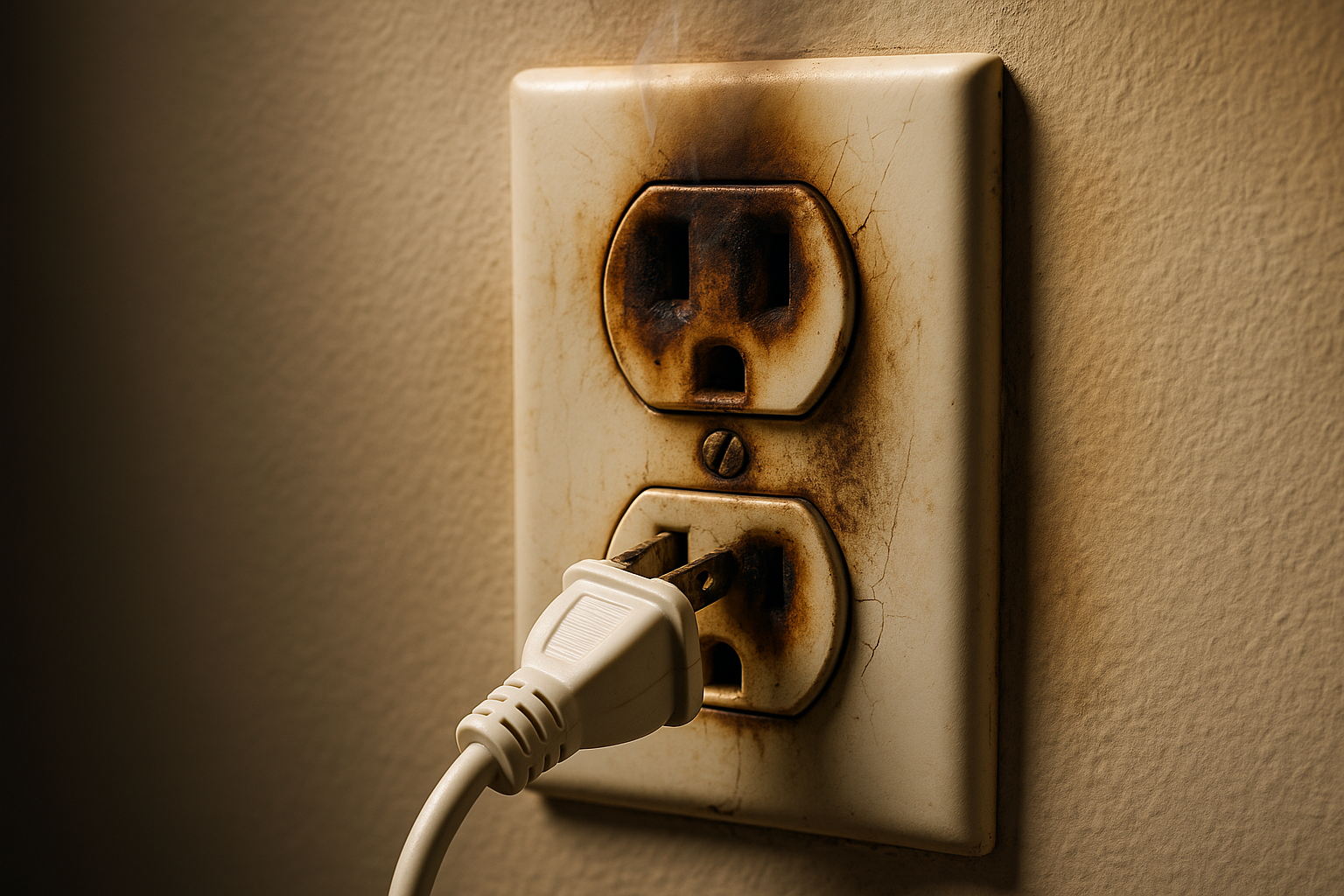
This is perhaps the most urgent warning sign. Any burning smell near outlets, switches, or the electrical panel requires immediate professional attention.
What to Look For
- Brown or black discoloration around outlets or switches
- Warm or hot outlets or switch plates
- Melted plastic on outlets
- Burning or fishy smell near electrical components
- Sparks when plugging in devices
The Danger
These symptoms indicate dangerous electrical arcing or overheating wiring. According to the Electrical Safety Foundation, faulty electrical systems cause over 50,000 home fires annually in the UK.
Immediate Action Required
Stop using affected outlets immediately and call a licensed electrician. Don't wait—this is a fire hazard that can escalate quickly.
4. Two-Prong Outlets Throughout Your Home
If your home still has predominantly two-prong (ungrounded) outlets, your electrical system is seriously outdated and potentially unsafe.
Why Three-Prong Outlets Matter
The third prong provides grounding, which:
- Prevents electrical shocks
- Protects sensitive electronics from power surges
- Reduces fire risk
- Allows safe use of modern appliances
Don't Just Adapt
Using three-prong to two-prong adapters doesn't solve the problem—it just bypasses the safety feature. Proper grounding requires updating the wiring system.
5. Using Multiple Extension Cords and Power Strips
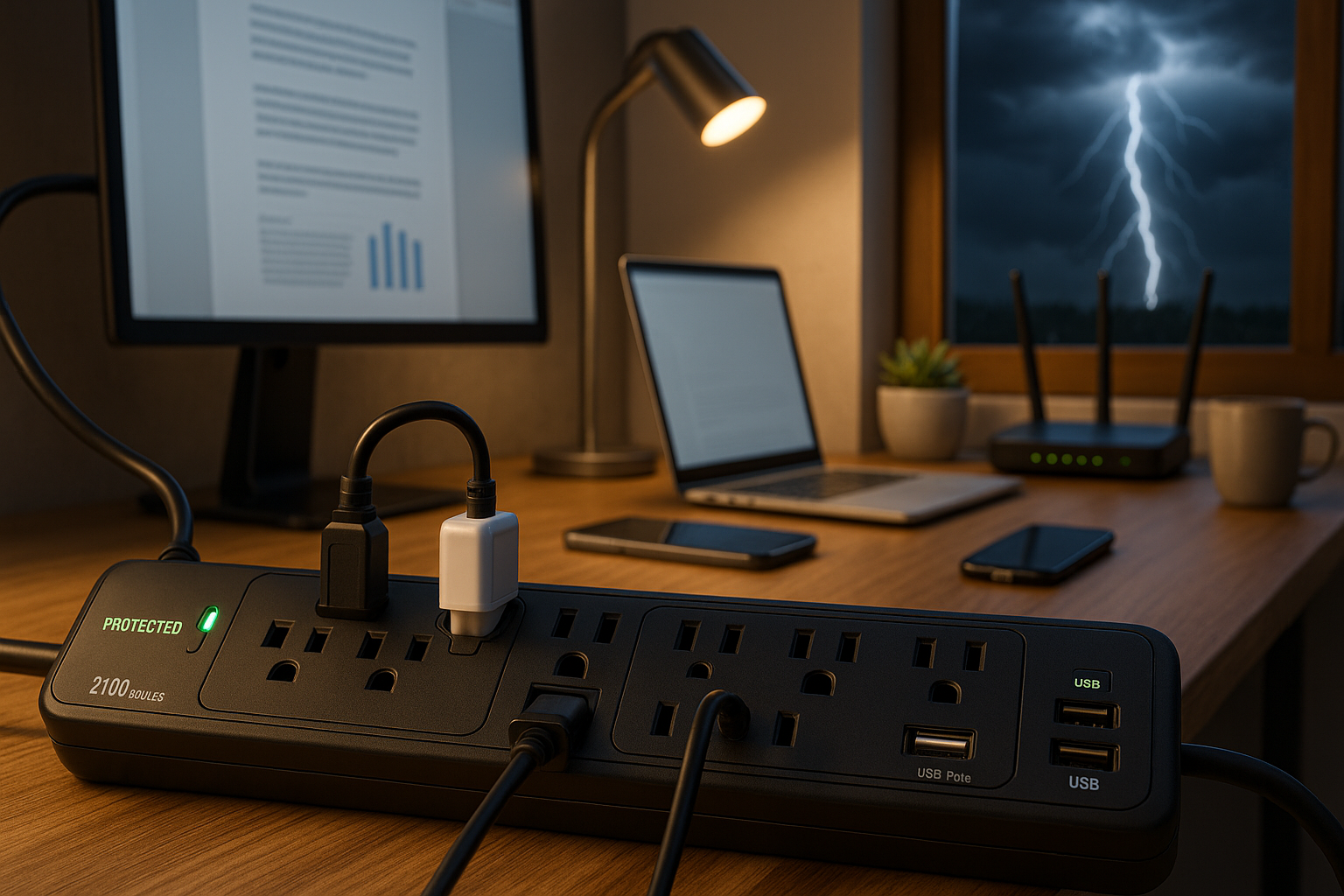
If you rely heavily on extension cords and power strips throughout your home, you don't have enough outlets—a clear sign your electrical system doesn't meet modern needs.
The Problem
Extension cords are meant for temporary use only. Long-term reliance on them:
- Creates tripping hazards
- Increases fire risk, especially if cords are damaged or overloaded
- Indicates insufficient outlets for your lifestyle
- May void equipment warranties
Modern Standards
Current electrical codes require outlets every 12 feet along walls and in every room. Kitchens need multiple dedicated circuits for appliances. Bathrooms require GFCI protection. An upgrade brings your home up to code and modern safety standards.
Additional Warning Signs
Other indicators that electrical work is needed include:
- Buzzing sounds from outlets or switches
- Shocks when touching appliances
- Rust or corrosion on the electrical panel
- Fuses instead of circuit breakers
- Aluminum wiring (common in homes built 1965-1973)
- Inability to use multiple appliances simultaneously
Benefits of an Electrical Upgrade
Upgrading your electrical system provides:
- Safety: Reduced fire and shock hazards
- Capacity: Power for all your modern devices
- Home Value: Updated systems increase property value
- Insurance: May lower homeowner's insurance premiums
- Convenience: No more circuit breaker trips or insufficient outlets
- Code Compliance: Meets current safety standards
What an Upgrade Typically Includes
A comprehensive electrical upgrade may involve:
- Replacing the main service panel
- Increasing amperage capacity (typically to 200 amps)
- Installing GFCI and AFCI protection
- Replacing old wiring
- Adding circuits and outlets
- Upgrading to grounded outlets
- Installing whole-house surge protection