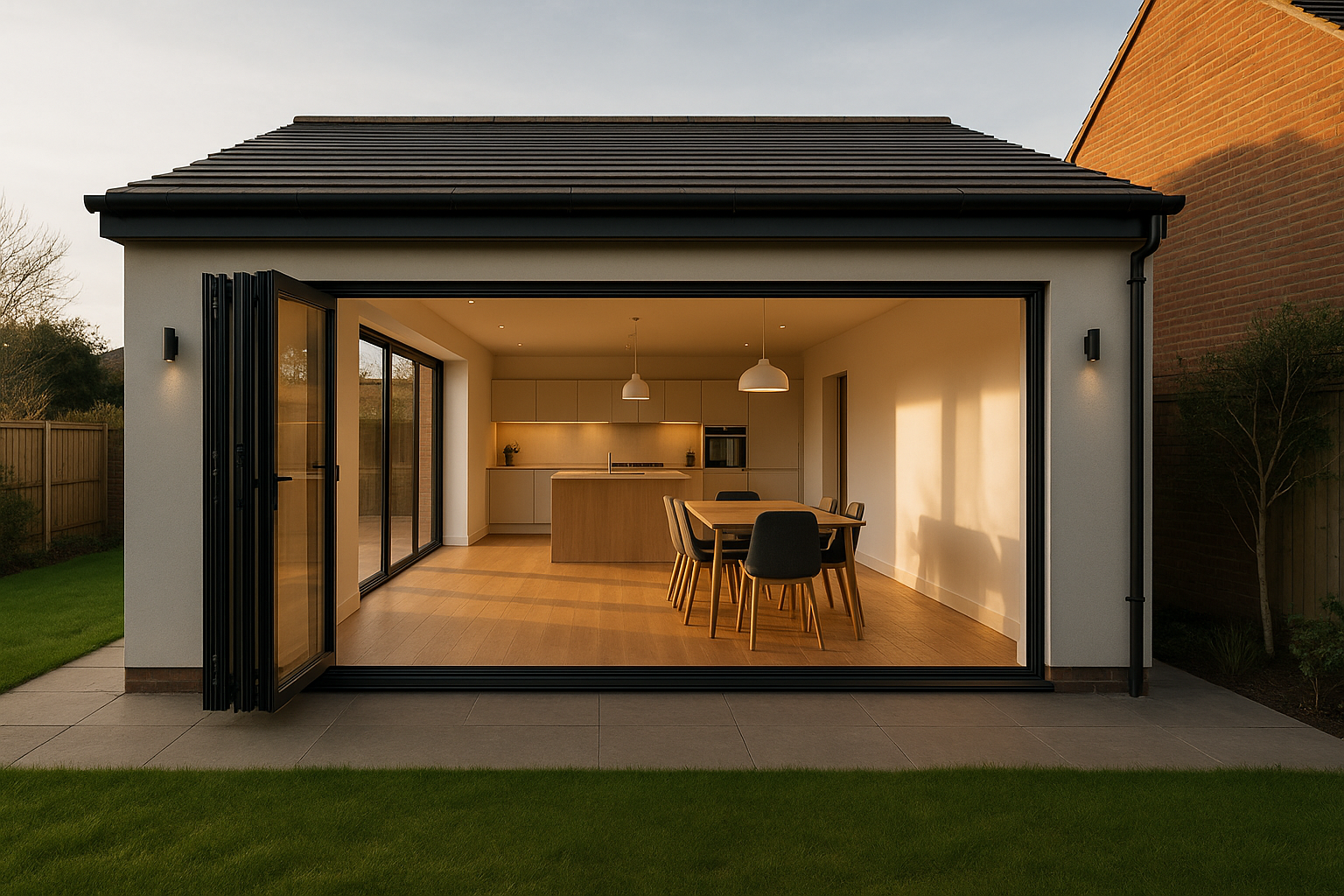
A well-planned home extension can transform your living space, add significant value to your property, and eliminate the need for a costly move. Whether you're considering a kitchen extension, adding an extra bedroom, or creating a home office, proper planning is essential for a successful project.
Understanding Your Extension Options
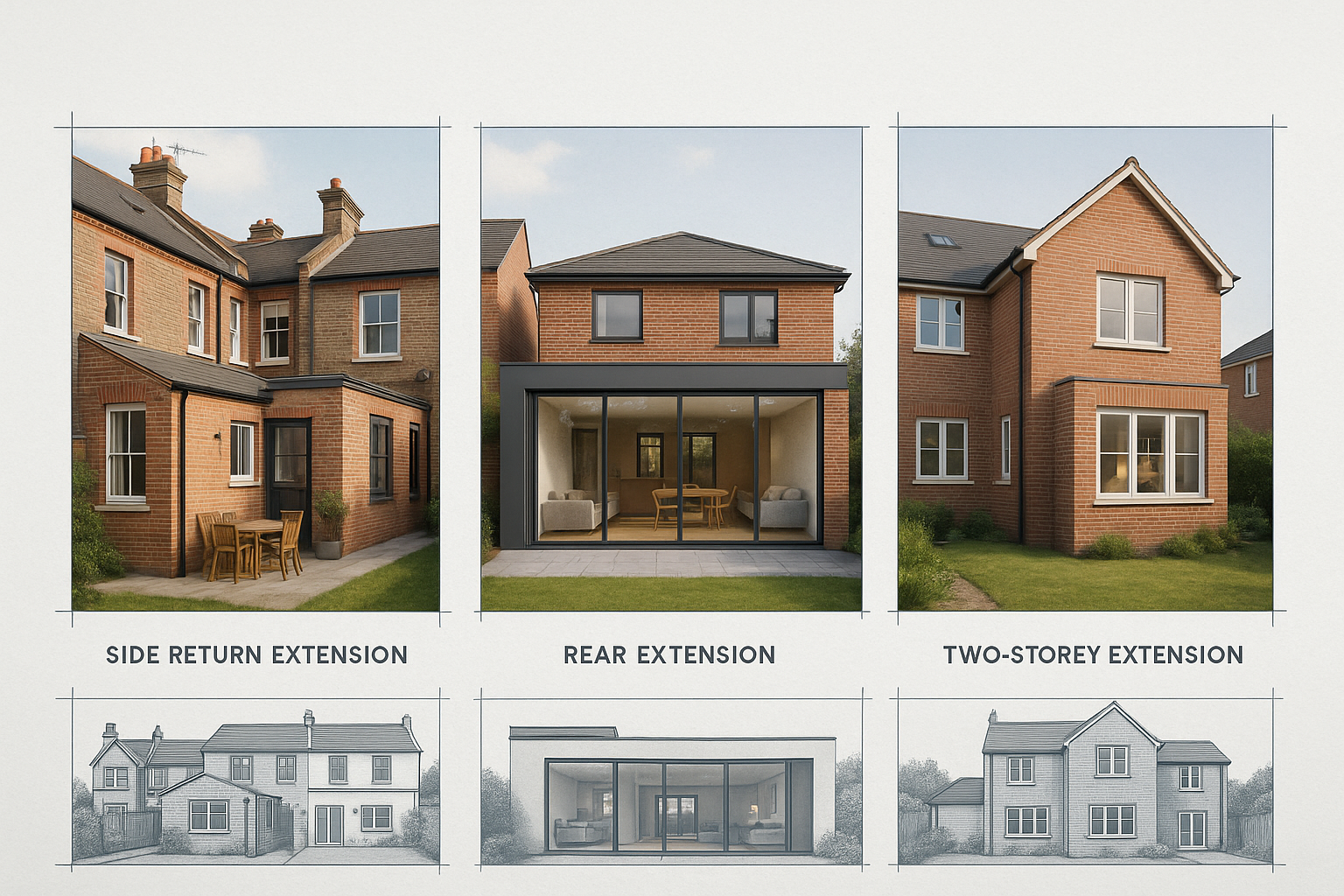
Before diving into your extension project, it's important to understand the different types available and which might work best for your Oxford property:
Single-Storey Rear Extension
The most common type of extension in Oxford homes, perfect for expanding your kitchen or living space. These extensions typically benefit from permitted development rights, meaning you may not need full planning permission if certain criteria are met.
Key considerations: Can usually extend up to 6 metres (8 metres for detached houses) without planning permission under permitted development rules. Perfect for creating open-plan kitchen-diners or adding a family room.
Side Return Extension
Popular in Victorian and Edwardian terraced houses, side return extensions make use of the narrow passage running along the side of your property. This type of extension is particularly common in areas like Jericho and Summertown.
Benefits: Maximizes existing space, often doesn't require planning permission, and can dramatically improve kitchen layout and natural light.
Two-Storey Extension
If you need more space and have the budget, a two-storey extension offers the best value for money. You'll get double the space for less than the cost of two separate single-storey extensions.
Do You Need Planning Permission?
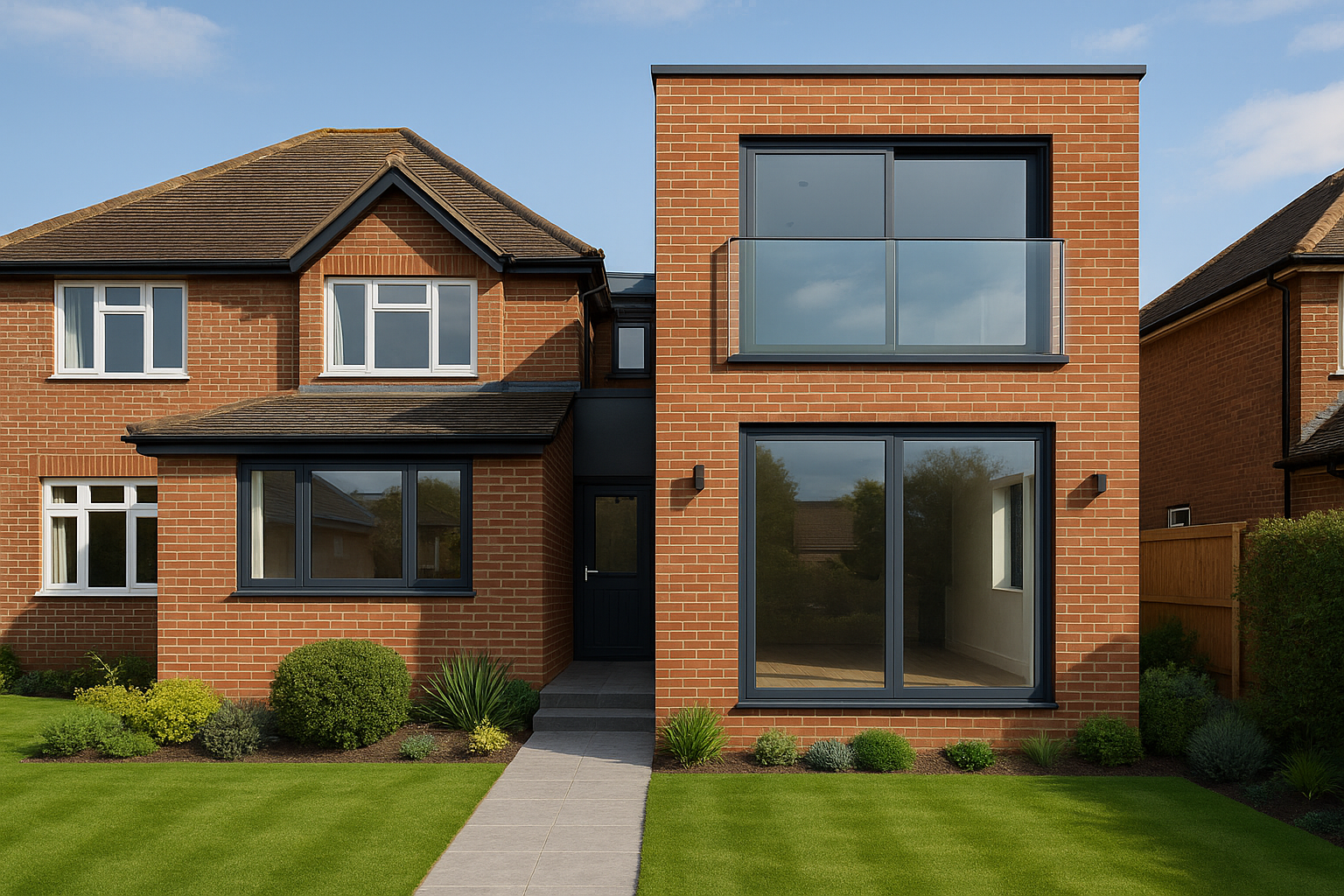
One of the first questions homeowners ask is whether they need planning permission. In Oxford, like the rest of the UK, many extensions fall under permitted development rights, meaning you can proceed without formal planning permission.
Permitted Development Criteria
Your extension can typically proceed under permitted development if it:
- Is single-storey and extends no more than 6 metres (8m for detached)
- Has a maximum height of 4 metres
- Doesn't cover more than 50% of your garden
- Isn't on a listed building or in a conservation area
- Uses matching or complementary materials to your existing home
Important: Many areas in Oxford, including parts of Headington, Summertown, and the city centre, have conservation area restrictions. Always check with Oxford City Council or a qualified architect before proceeding.
Budgeting for Your Extension
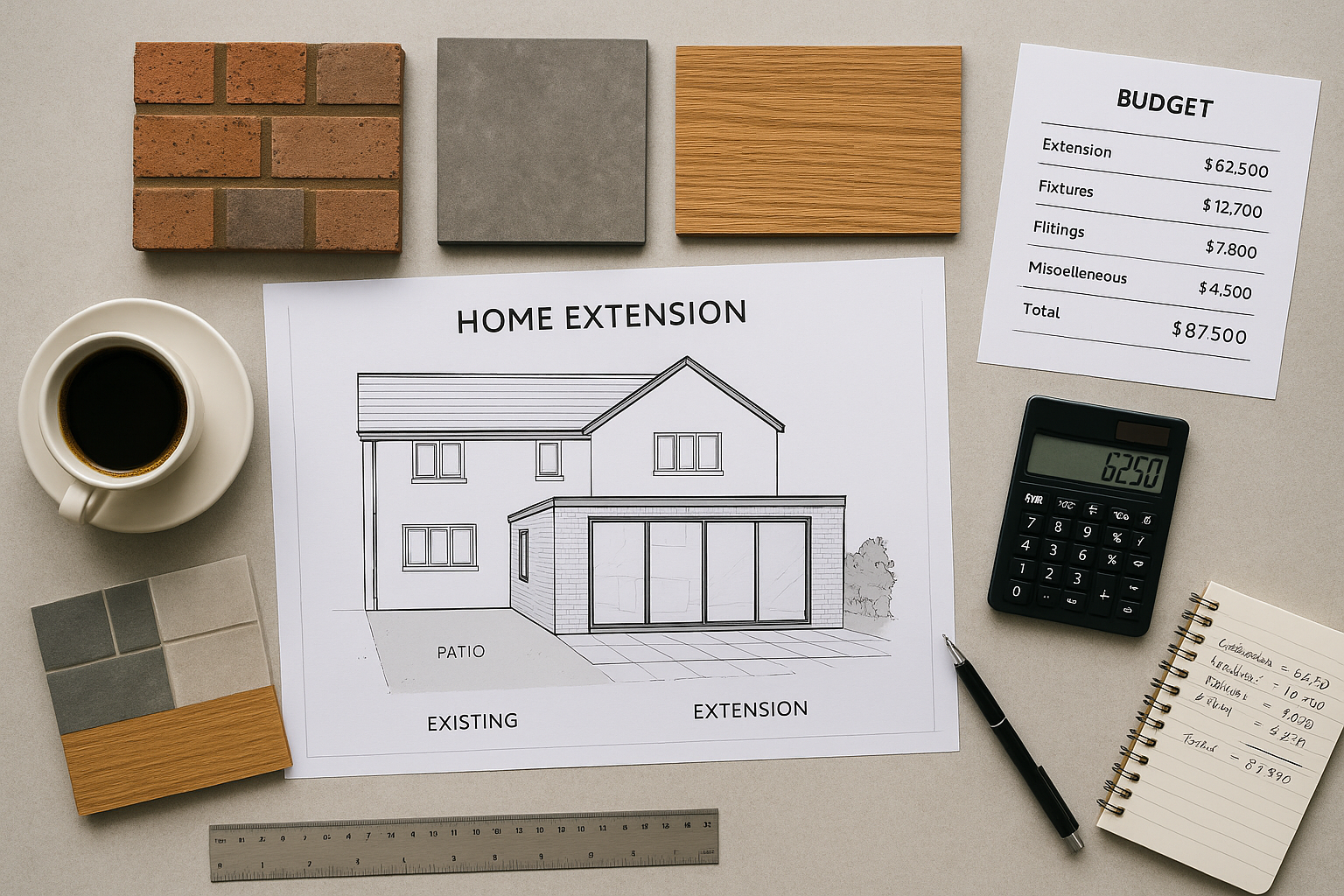
Understanding costs upfront helps avoid unpleasant surprises. Extension costs vary significantly based on size, specification, and location, but here's what to consider:
Main Cost Components
Building work: This is your largest expense, typically 60-70% of your total budget. Choose builders with proven experience in home extensions and check their references carefully.
Architectural fees: Budget 8-12% of your build cost for architectural services. A good architect can save you money through efficient design and preventing costly mistakes.
Structural engineer: Essential for ensuring your extension is safe and structurally sound. Fees typically range from £500-£1,500 depending on project complexity.
Building regulations: All extensions must comply with building regulations. Budget around £500-£1,000 for building control fees and inspections.
Contingency: Always add 10-15% contingency for unexpected issues like poor ground conditions or hidden structural problems.
Ways to Keep Costs Down
Without compromising on quality, consider these cost-saving strategies:
- Match existing materials where possible to avoid expensive bespoke orders
- Keep the design simple – complex shapes and features increase costs
- Choose standard-sized windows and doors rather than custom-made
- Plan your project during quieter building periods (autumn/winter) when contractors may be more competitive
- Get multiple quotes – but don't automatically choose the cheapest
Choosing the Right Builder
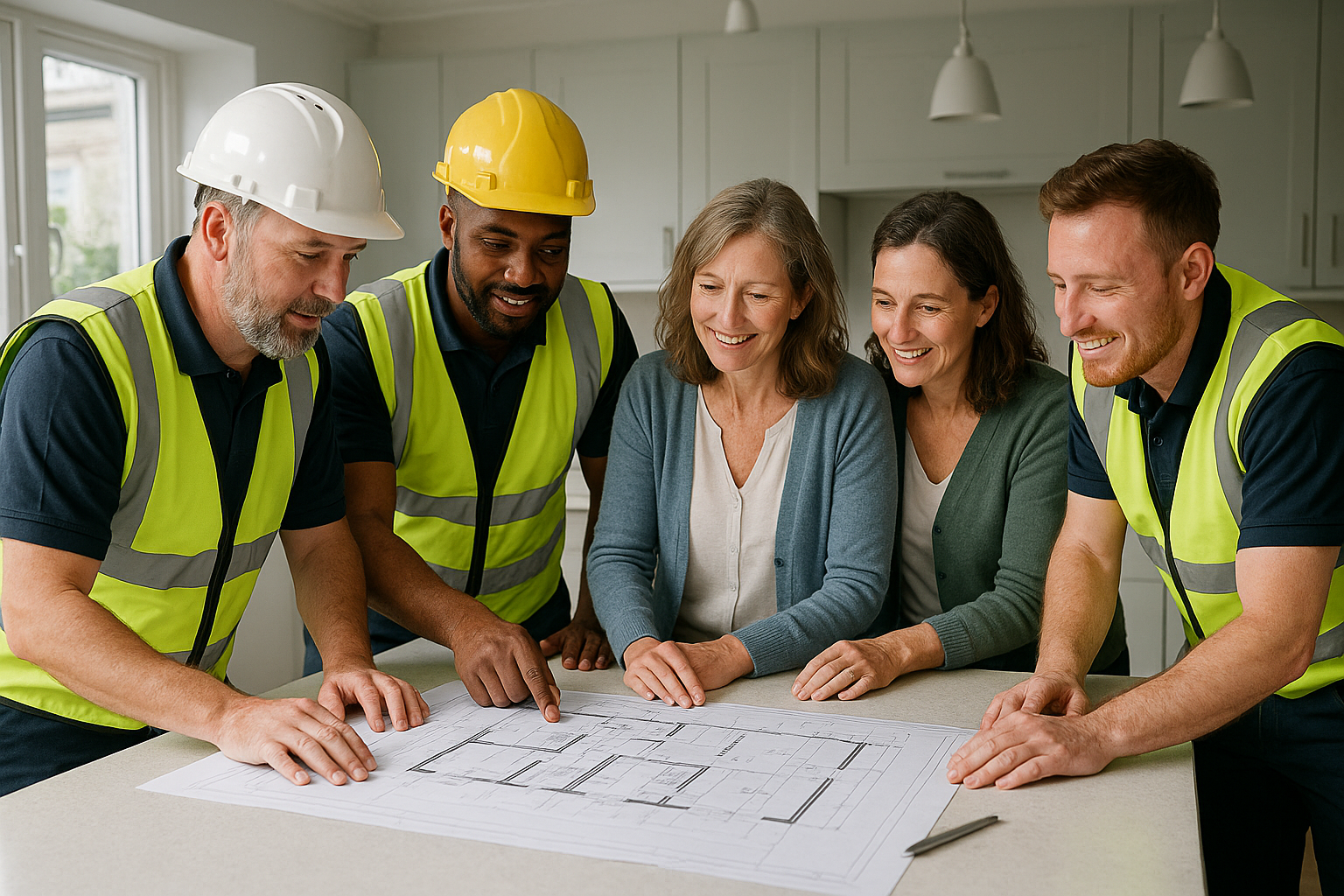
Your choice of builder can make or break your extension project. Here's how to find a reliable, skilled builder in Oxford:
Essential Checks
Insurance and guarantees: Ensure your builder has public liability insurance (minimum £5 million) and employers' liability insurance. Ask about guarantees on their work.
References and portfolio: Ask to see photos of completed extensions and speak to recent clients. A reputable builder will happily provide references.
Written quotation: Get everything in writing, including detailed specifications, timeline, payment schedule, and what happens if there are delays or problems.
Local knowledge: Builders familiar with Oxford properties understand local planning requirements, common building issues in Victorian and Edwardian homes, and have established relationships with local suppliers.
Red Flags to Watch For
- Requests for large upfront payments (no more than 10-15% deposit is standard)
- Reluctance to provide references or show previous work
- Vague quotes without detailed specifications
- Pressure to sign contracts immediately
- No insurance or written contract
Design Considerations
A well-designed extension should feel like a natural part of your home, not an obvious addition. Consider these design principles:
Natural Light
Maximize natural light with large windows, roof lights, or bi-fold doors. This is especially important in extensions that might affect light in adjacent rooms. Consider how sunlight moves through the space throughout the day.
Flow and Function
Think carefully about how the extension connects to your existing home. Good flow between spaces is essential. Consider whether internal walls need to be removed and how doors will work.
Heating and Insulation
Modern building regulations require high insulation standards. This is actually a benefit – your extension will be warm in winter and cool in summer, with lower energy bills. Underfloor heating works particularly well in extensions.
Style Harmony
Your extension should complement your existing home. This doesn't mean it has to be identical – contemporary extensions on period properties can work beautifully when done well. Use materials and proportions that respect the original building.
The Build Process
Understanding what to expect during construction helps you prepare mentally and practically. Most families stay in their homes during extension work. Prepare for noise, dust, and disruption. Establish clear rules with your builder about working hours, site access, and facilities.
Common Pitfalls to Avoid
Learn from others' mistakes:
- Poor planning: Rushing the design phase leads to costly changes during construction. Take time to get it right.
- Ignoring building regulations: All extensions need building regulations approval. Never skip this step.
- Overlooking the garden: Consider how your extension affects outdoor space and how it connects to your garden.
- Cheap materials: Cutting costs on materials often means replacing them sooner. Invest in quality for longevity.
Adding Value vs. Over-Improving
Most well-designed extensions add value to your property. However, be cautious about over-improving for your area. Research local property values and consider whether your extension will price you out of the local market.
Kitchen extensions typically offer the best return on investment, followed by additional bedrooms. Luxury finishes may be enjoyable but won't necessarily add proportional value.
Ready to Start Planning?
A home extension is a significant investment, but with careful planning and the right team, it can transform your home and your lifestyle. Start by clearly defining what you want to achieve, set a realistic budget, and take time to find experienced professionals who understand Oxford properties.
Whether you're creating a spacious kitchen-diner, adding a much-needed bedroom, or building a garden room for your home office, proper planning and preparation are your keys to success.