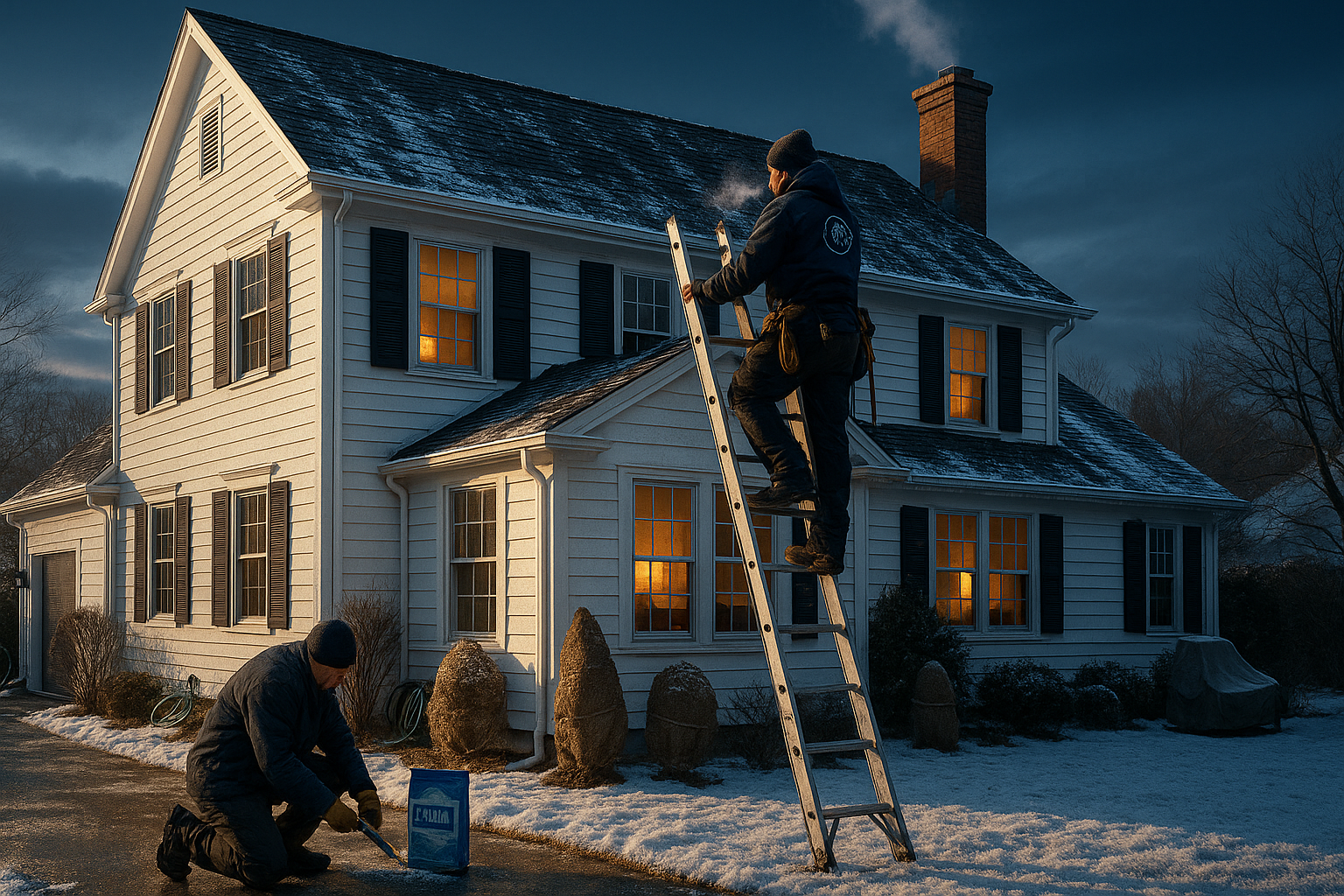
Winter can be harsh on your home. Freezing temperatures, snow, ice, and winter storms can cause significant damage if your property isn't properly prepared. This comprehensive checklist will help you winterize your home, prevent costly damage, and stay warm and safe all season long.
Start Early: October-November
Don't wait for the first freeze. Begin winter preparations in autumn when weather is still mild and professionals are less busy. This also gives you time to address any issues you discover.
Heating System
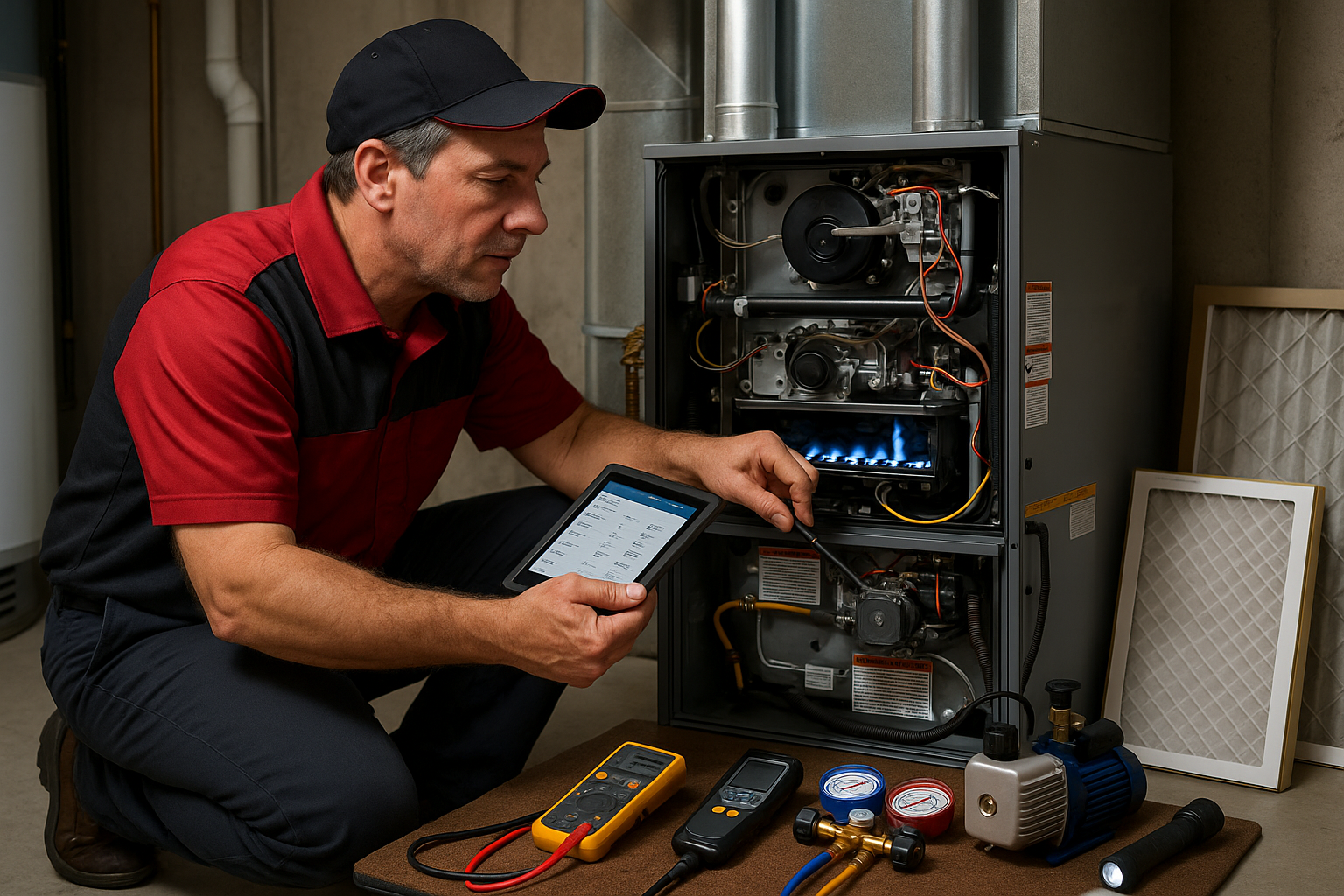
1. Service Your Boiler/Heating System
Schedule a professional service before winter arrives. A properly maintained heating system is more efficient, safer, and less likely to break down when you need it most.
Professional service includes:
- Safety checks
- Cleaning and efficiency optimization
- Identifying potential problems before they cause breakdowns
- Gas Safe certification (for gas systems)
2. Bleed Radiators
If radiators feel cold at the top but warm at the bottom, trapped air is reducing efficiency. Bleeding radiators releases this air and improves heating performance.
3. Check and Replace Filters
Dirty filters force your system to work harder, wasting energy and money. Replace or clean filters monthly during winter for optimal performance.
4. Test Your Heating Early
Turn on your heating system for a test run in October. If there are problems, you'll discover them before cold weather hits and while HVAC professionals aren't overwhelmed with emergency calls.
Insulation and Drafts
5. Check Insulation Levels
Proper insulation in your loft/attic is crucial. The recommended depth is at least 270mm (about 10.5 inches). Insufficient insulation can account for up to 25% of heat loss.
6. Seal Windows and Doors
Inspect all windows and doors for drafts. Solutions include:
- Weatherstripping around doors
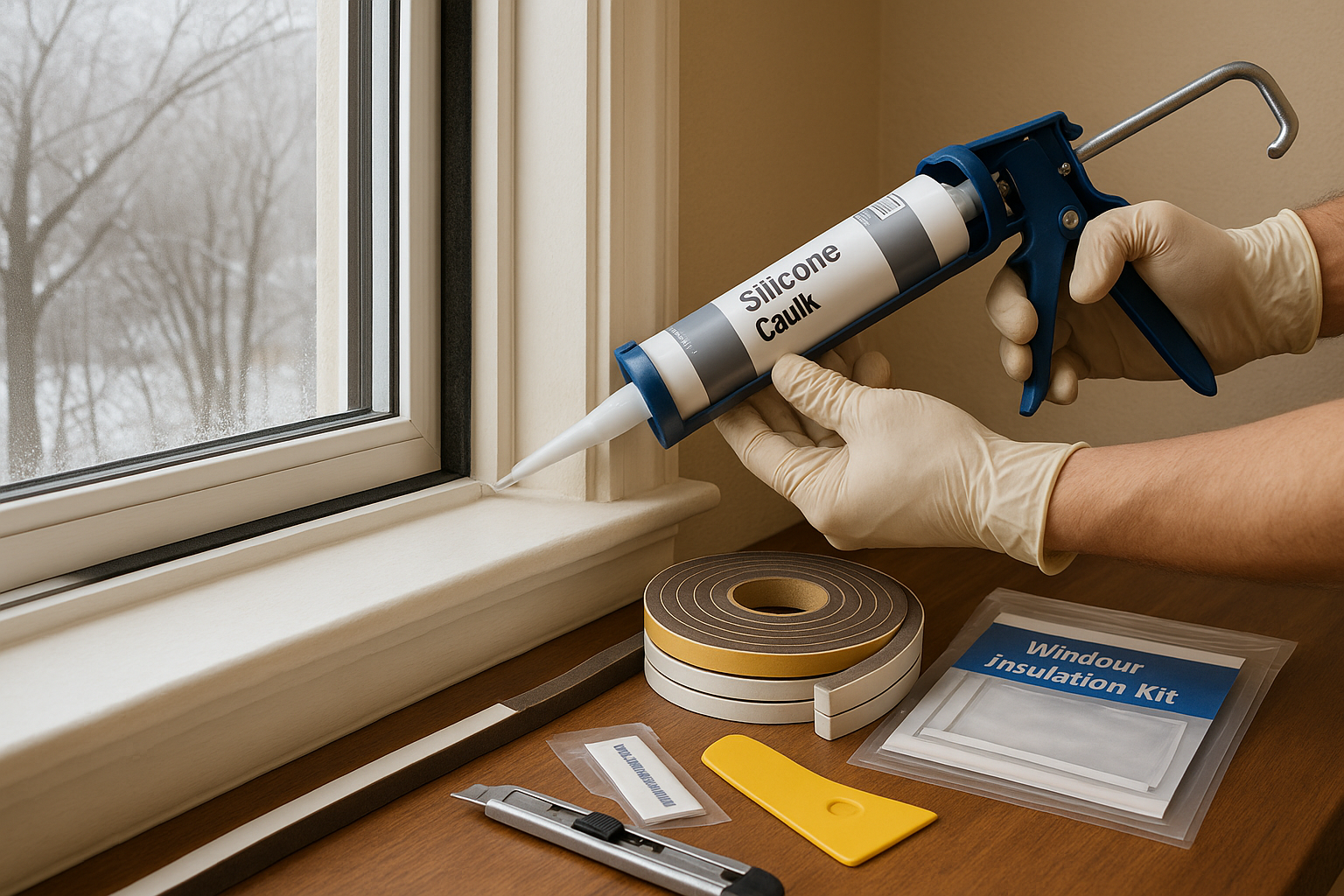
- Caulking gaps around window frames
- Draft excluders for doors
- Secondary glazing for single-pane windows
- Thermal curtains
7. Insulate Pipes
Insulate pipes in unheated areas (loft, garage, crawl spaces) to prevent freezing and bursting. Pipe insulation is inexpensive and easy to install, but can save thousands in water damage.
Roof and Gutters
8. Inspect Your Roof
Check for:
- Missing, loose, or damaged tiles/shingles
- Damaged flashing around chimneys and vents
- Signs of water damage in the loft
- Moss or debris accumulation
Small issues become major problems when snow and ice get involved. Address repairs promptly.
9. Clean Gutters and Downspouts
Clogged gutters can't properly drain melting snow and ice, leading to:
- Ice dams that damage roofs
- Water backing up into walls
- Foundation damage from improper drainage
- Gutter damage from ice weight
Clean gutters thoroughly and ensure downspouts direct water at least 5 feet away from your foundation.
10. Trim Trees and Shrubs
Remove dead branches that could fall under ice or snow weight. Trim branches that hang over your roof or are too close to power lines. Consider this a safety and preventive maintenance task.
Plumbing
11. Drain Outdoor Taps and Hoses
Disconnect and drain garden hoses. Shut off water to exterior taps from inside, then open the outside tap to drain remaining water. This prevents frozen pipes and expensive burst pipe damage.
12. Know Your Stopcock Location
Ensure everyone in your household knows where the main water shut-off valve is located. In a plumbing emergency, this knowledge is crucial. Test it to make sure it works properly.
13. Let Taps Drip During Freezes
On nights when temperatures drop below freezing, let taps connected to exposed pipes drip slightly. Moving water is less likely to freeze, and if pipes do freeze, this relieves pressure that causes bursting.
Exterior
14. Check and Repair Masonry
Inspect brickwork, rendering, and pointing. Water entering cracks can freeze, expand, and cause significant damage. Repair any damage before winter weather worsens it.
15. Service Your Chimney
If you have a working fireplace, have the chimney swept and inspected. Creosote buildup is a fire hazard, and blockages can cause dangerous carbon monoxide buildup.
16. Store or Cover Outdoor Furniture
Store outdoor furniture, grills, and decorations in a shed or garage. If storage isn't possible, use weatherproof covers to protect them from winter weather.
17. Winterize Garden Equipment
Drain fuel from lawnmowers and other equipment, or add fuel stabilizer. Clean and properly store all garden tools and equipment.
Safety and Emergency Prep
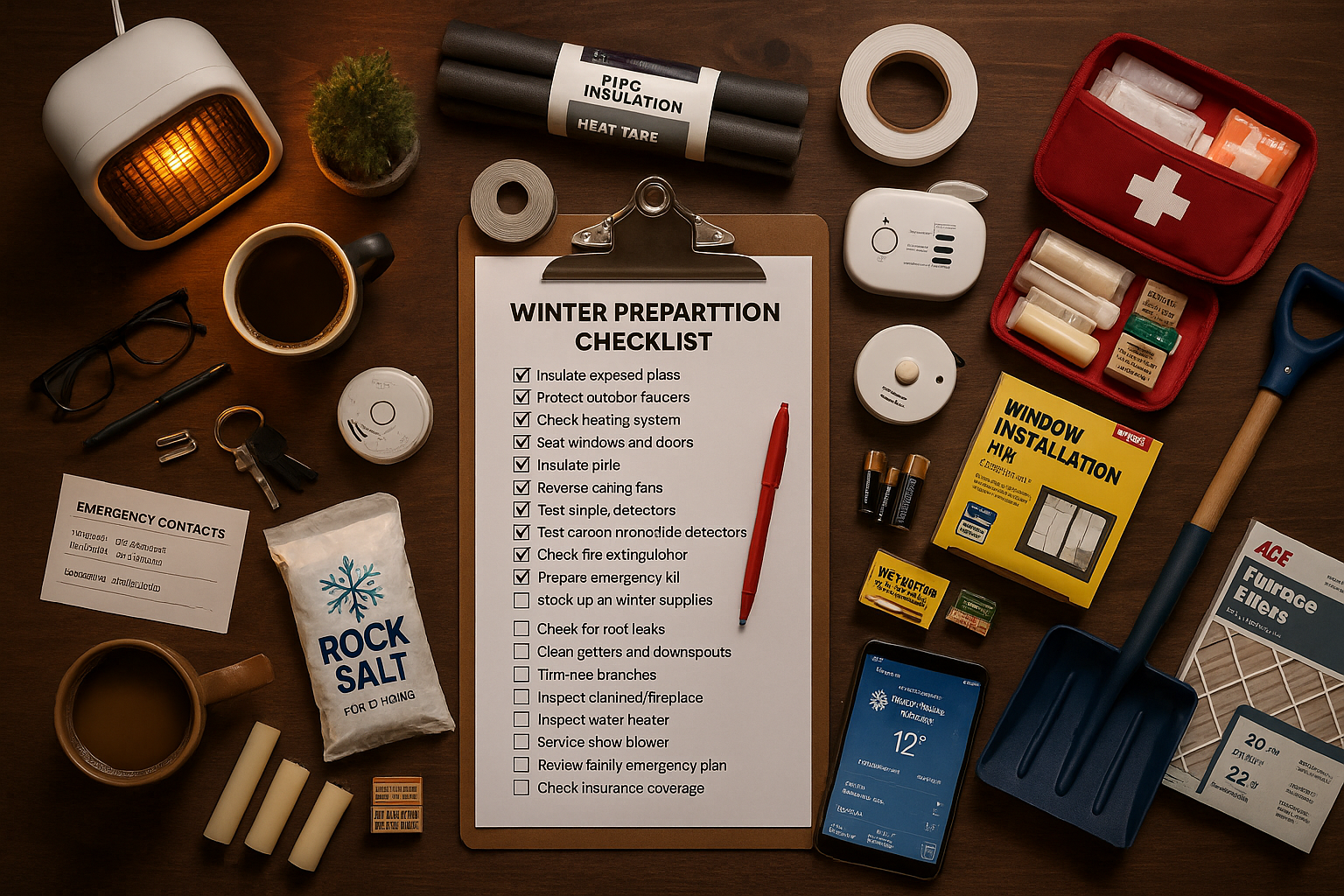
18. Test Smoke and Carbon Monoxide Detectors
Test all detectors and replace batteries. With more heating equipment running and windows closed, winter is a higher risk time for carbon monoxide issues.
19. Inspect Fire Extinguishers
Check that fire extinguishers are charged and accessible. Know how to use them. Winter sees increased risk of fires from heating equipment and holiday decorations.
20. Stock Emergency Supplies
Prepare for potential power outages with:
- Torch/flashlights and batteries
- Battery or hand-crank radio
- Bottled water and non-perishable food
- First aid kit
- Warm blankets
- Phone chargers/power banks
- Emergency contact numbers written down
21. Have an Emergency Plan
Know how to shut off water, gas, and electricity in an emergency. Keep a list of emergency contacts including your plumber, electrician, and insurance company.
Interior
22. Reverse Ceiling Fans
If you have ceiling fans, reverse them to run clockwise (when looking up). This pushes warm air down from the ceiling, improving heating efficiency.
23. Open Curtains During Sunny Days
Let sunshine naturally heat your home during the day. Close curtains at night to insulate against cold windows.
24. Keep Interior Doors Open
Allow warm air to circulate throughout your home. Keep kitchen and bathroom doors open (when not in use) to prevent pipes in these areas from freezing.
25. Set Thermometer to Minimum When Away
If going away, don't turn heating off completely. Keep it set to at least 12-15°C (55-60°F) to prevent pipe freezing.
Monthly Winter Maintenance
Throughout winter, regularly:
- Check for ice dams on the roof
- Clear snow from vents and meters
- Inspect visible pipes for freezing
- Change HVAC filters
- Check for drafts as weather strips can shift
- Remove heavy snow from roof if needed (hire professionals)
Don't Forget: Insurance Review
Review your home insurance policy to understand what winter-related damage is covered. Document your property's condition with photos before winter for insurance purposes if needed.